Wave loading with kettlebells: a smarter way to push strength
Wave loading uses ascending and descending sets to trick your nervous system into lifting heavier. Here's how to apply it with kettlebells.
Most kettlebell lifters hit a wall around the same place. You add a bell size, the reps drop, you grind for a few weeks, and then nothing moves. The jumps between bells are too big (4kg or 8kg gaps are brutal), and linear progression stops working once you're past the beginner phase.
Wave loading is one of the better answers to this problem. It's been used in Eastern European strength programs for decades, popularized in the West by coaches like Charles Poliquin and Pavel Tsatsouline, and it works particularly well with kettlebells precisely because the load increments are so coarse.
What wave loading actually is
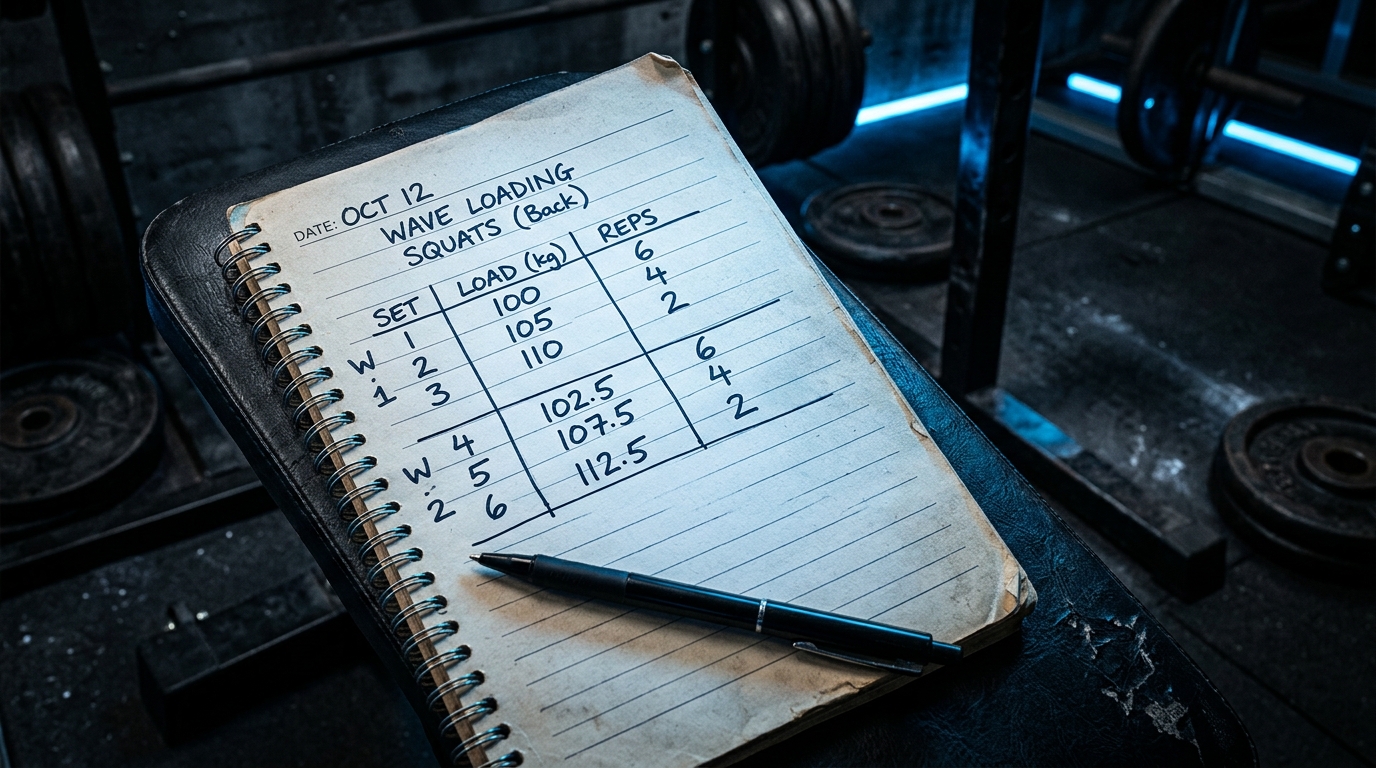
A wave is a sequence of sets where load goes up while reps go down, then the pattern restarts at a slightly higher baseline. The classic 1-6 wave looks like this: 6 reps, 4 reps, 2 reps, then back to 6 reps with a slightly heavier load, 4 reps heavier still, 2 reps at a new top weight.
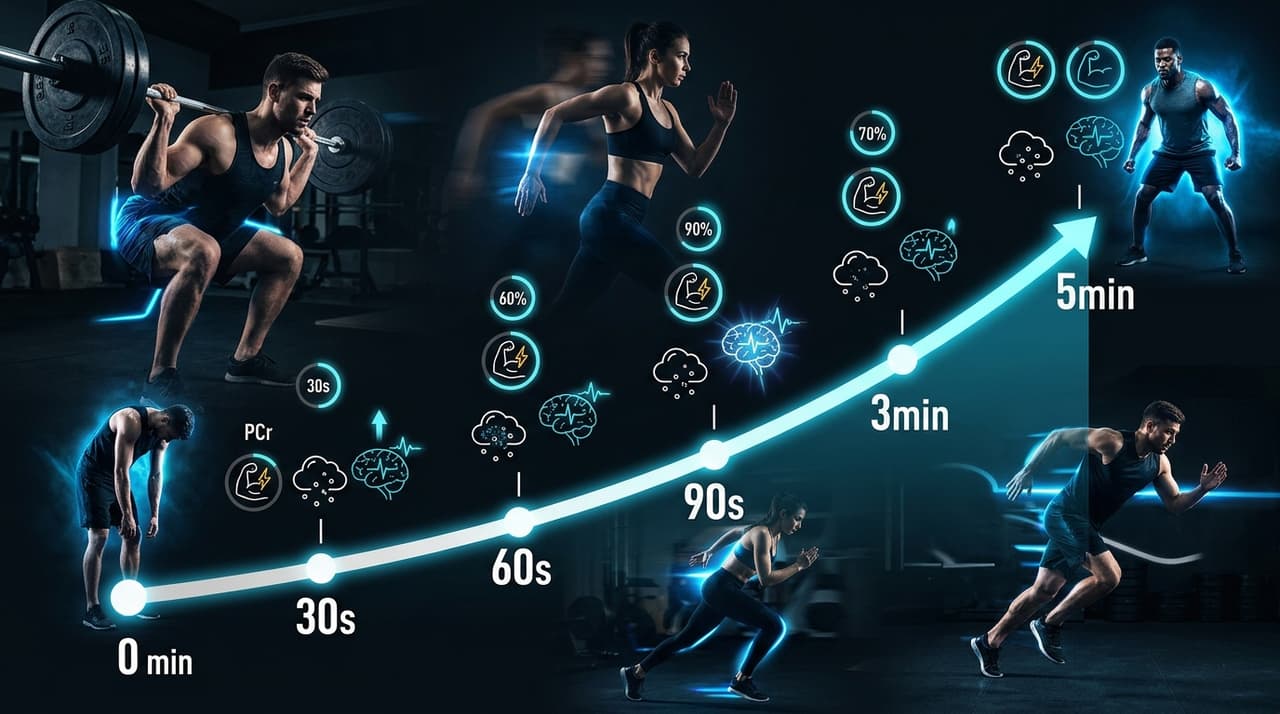
The mechanism is post-activation potentiation (PAP). When you lift something heavy, your nervous system gets temporarily more excited, motor unit recruitment improves, and the next set feels lighter than it should. A 2016 meta-analysis in Sports Medicine (Seitz and Haff) found PAP effects produced meaningful power increases in trained lifters, with the effect most pronounced 3 to 12 minutes after the potentiating set.
Translated to kettlebell work: the heavy double at the top of wave one makes the 6-rep set at the bottom of wave two feel manageable, even though it's heavier than your wave-one starting weight.
Why this fits kettlebells specifically
Barbell lifters get to microload with 1kg plates. You don't. If your military press is solid with a 24kg bell but the 28kg feels like a different sport, wave loading gives you a way to bridge that gap without doing what most people do, which is grind sloppy reps with the 24 until they hate pressing.
The waves let you accumulate quality volume at submaximal loads while still touching near-max weights inside the same session. You're not choosing between heavy and high-volume. You get both.
A practical template
Here's a wave I've used with double clean and press, assuming someone who presses double 24s for 5 reps and is working toward double 28s.
| Set | Reps | Load | Rest |
|---|---|---|---|
| 1 | 5 | 2x20kg | 2 min |
| 2 | 3 | 2x24kg | 3 min |
| 3 | 1 | 2x28kg | 3 min |
| 4 | 5 | 2x24kg | 2 min |
| 5 | 3 | 2x28kg | 3 min |
| 6 | 1 | 2x28kg + belt squeeze | 3 min |
Notice that set 4 (the bottom of wave two) is heavier than set 1. That's the whole point. The single at set 3 primes the nervous system so set 4 feels achievable.
If you don't own the bells to make incremental load jumps, wave the reps and tempo instead. Same bell, but vary rep speed and pause length to manipulate intensity. It's not as clean as true wave loading but it captures some of the same benefit.
Programming considerations
Waves work best for grinds (press, squat, front squat, weighted pull-up) and less well for ballistics. Don't try to wave-load swings or snatches. The fatigue cost of a near-max ballistic set is too high to recover from inside a session, and PAP effects on power movements show up better with contrast methods (heavy then explosive) than with true waves.
Frequency matters too. One wave-loaded session per movement per week is plenty. Pair it with a lighter technique day and you've got a sensible weekly structure. If you're already running a thoughtful progressive overload approach, wave loading slots in as one tool rather than a replacement for everything else.
Rest periods are non-negotiable. The PAP effect needs time to express itself. If you cut rest to 60 seconds because you're impatient, you'll just accumulate fatigue and the waves will collapse into a normal high-volume session. Three minutes between the heavy sets, two minutes between the lighter ones. Rest interval research is pretty clear that strength-focused work needs the full recovery.
How to know it's working
The simplest test: track your top single across mesocycles. If you ran a 4-week block with wave loading and your top single moved up (whether that's heavier or cleaner at the same weight), keep going. If nothing moved, you either need a deload or a different stimulus.
This is where having clean timing matters. Wave loading falls apart if your rest periods are sloppy because the whole protocol depends on hitting that PAP window. I run waves with FlowTimer's interval setup so I'm not staring at a wall clock between sets trying to remember if it's been 2 minutes or 4. Set the rest, hit the beep, lift, repeat.
A few honest caveats
Wave loading isn't magic. It's a structured way to expose yourself to near-max loads more frequently without the joint cost of straight 1RM work every week. If your technique on the press or squat is still wobbly under moderate loads, waving won't fix that. You'll just get more reps of the same compensations.
The other thing: waves are mentally taxing. Knowing set 6 is your hardest set requires you to manage arousal across an hour-long session. Some lifters love this. Others find it stressful and produce better work with simpler templates. Use a fancier protocol only if it works better than a basic 5x5.
But if you've been spinning your wheels between bell sizes for months, wave loading is one of the cleanest ways to break through. Run it for four weeks, retest, and see what happened.
Ready to put this into practice? FlowTimer lets you build custom interval workouts, set precise work-to-rest ratios, and train with audio cues so you can focus on your form.
Try FlowTimer Free